Four-week English workshops • September 2026Find my child's workshop
September 2026 • Four-week English workshops • Ages 4 to IGCSE

When English turns into a battle, your child may not need more pressure. They may need a different way in.

Schola's age-matched workshops help children practise reading and writing at the right level through clear teaching, supported attempts, and progress parents can see.

Find my child's workshopStart with your child's age and stage.
If this sounds familiar

You have tried to help. The worry is still there.

  • Reading aloud brings stalling, guessing, frustration, or refusal.
  • They can explain an idea out loud, then freeze when asked to write it.
  • Extra worksheets, reminders, or another class haven't made English feel easier.
  • You're getting mixed messages about what the real difficulty is.
  • And underneath it all is the question parents rarely say aloud: will my child be left behind?

These signs don't prove that your child is lazy, incapable, or anxious. They tell us the next step should begin with understanding the barrier — not adding more pressure.

What may be getting in the way

The behaviour is visible. The reason behind it can be different for every child.

Avoidance can sit alongside a skill gap, low confidence, a mismatch between the task and the child's stage, or several of these at once. A workshop should respond to what it observes — it should not diagnose a child from a landing page.

A

Foundational skills

Decoding, fluency, vocabulary, comprehension, spelling, or organising ideas may still need explicit teaching and practice.

B

Confidence and avoidance

Repeated difficulty can make a child expect failure. Avoiding the task then removes the very chances they need for successful practice.

C

Fit and support

The level, pace, teaching format, or fear of being judged can change how willing a child feels to attempt the work.

The first job is not to label the child. It is to find the next teachable step and create enough safety for them to try it.

How Schola responds

Support confidence without lowering the standard.

The strongest teaching environment combines warmth with structure: the child feels respected, understands what to do, and gets enough guidance to succeed without the adult taking over.

01

Respect before correction

We respond to the attempt, not label the child. Feedback is specific, calm, and focused on the next action.

02

Model, guide, release

Teachers demonstrate the skill, practise it with the child, then reduce support as the child becomes ready.

03

Reading into writing

Children read or discuss an age-appropriate text, gather language and ideas, then use them in structured writing.

Start with relevance

Choose your child's stage.

Each workshop has its own focus and activities, pitched to the right level so no child feels lost or labelled.

Ages 4–5

Young Readers: Starting Strong

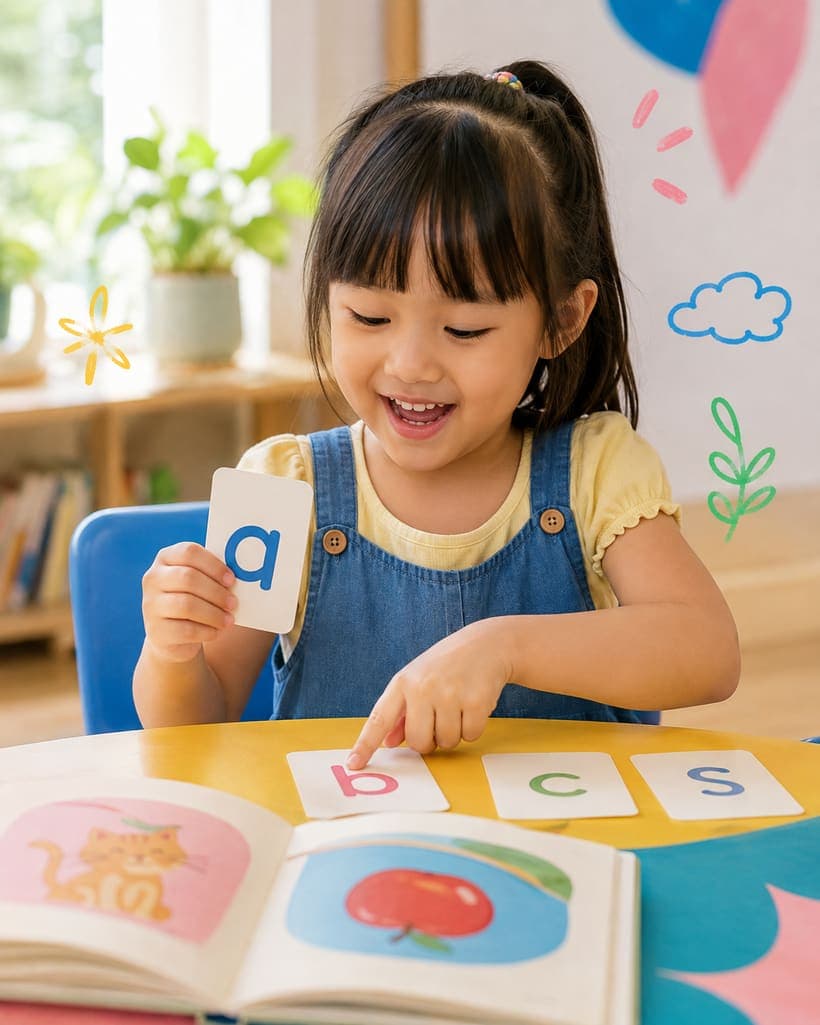
Playful early reading — story language, sound awareness, and print familiarity — so books begin as something a child enjoys.

Enquire about this workshop →
Ages 6–7

Young Readers: Growing Skills

The building blocks of reading — decoding, word recognition, fluency, vocabulary, and comprehension — practised at the right level.

Enquire about this workshop →
Ages 8–13

Young Writers

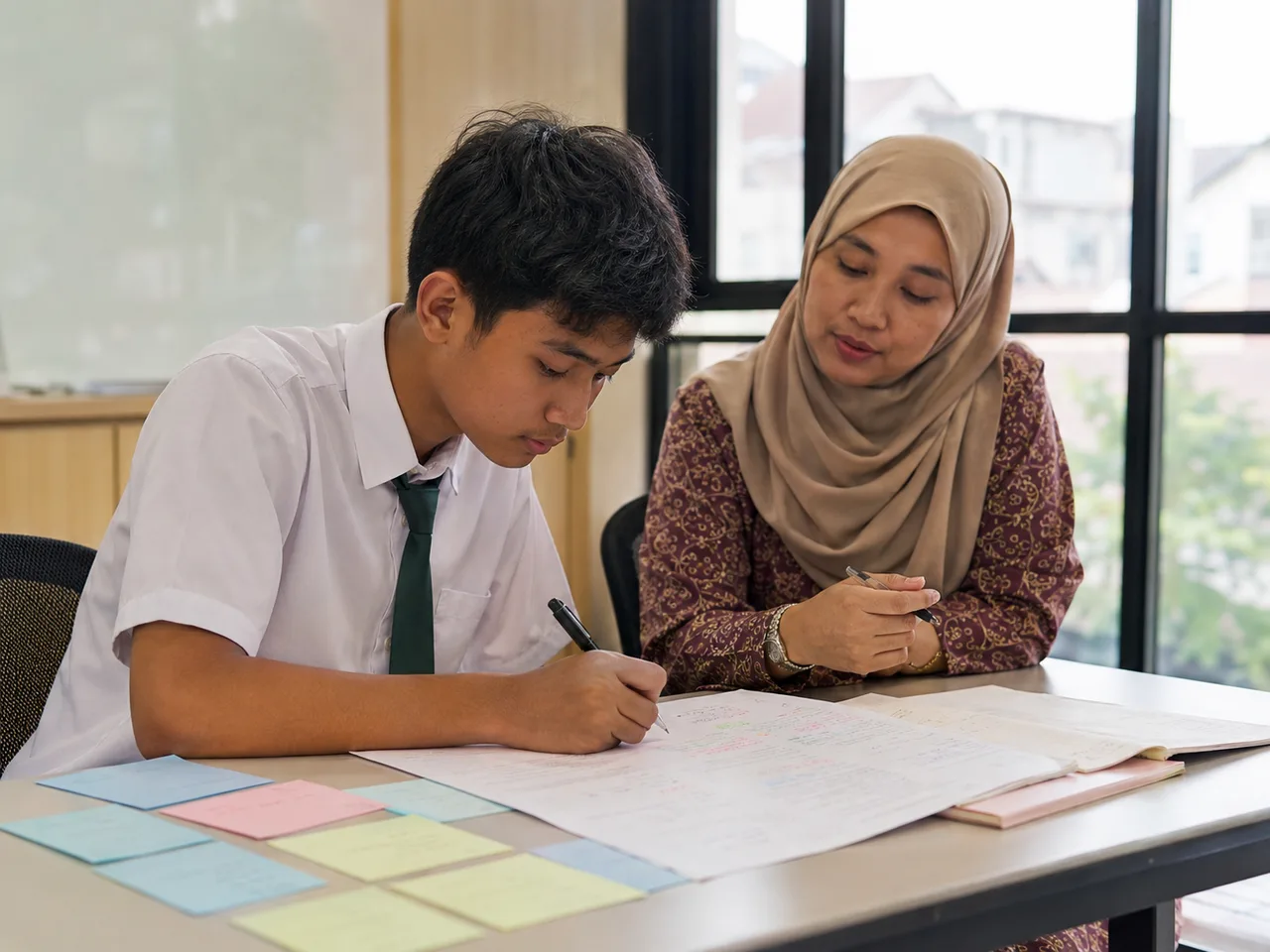
From confident reading into writing: understanding texts, developing ideas, planning, paragraphing, and sentence control.

Enquire about this workshop →
IGCSE

IGCSE English

Close reading, structured written response, and exam technique for older students. We confirm the exact exam board and syllabus with you before the workshop.

Enquire about this workshop →
The four-week journey

A clear plan lowers uncertainty for you and your child.

Here is how a workshop moves, week by week.

Wk 1

Understand

We use brief starting-point tasks and teacher observation to find the next teachable step for your child. This is a teaching judgement, not a clinical diagnosis.

Week 1

Understand

We use brief starting-point tasks and teacher observation to find the next teachable step for your child. This is a teaching judgement, not a clinical diagnosis.

Week 2

Build

We teach the stage-specific skill explicitly, then practise it together through modelling and guided support, so your child attempts it with help before working alone.

Week 3

Connect

We turn reading into vocabulary, ideas, and sentence patterns, and use them to shape an age-appropriate piece of writing.

Week 4

Apply

Your child completes a supported independent task, and we share clear observations and a manageable next step with you.

Progress parents can see

You shouldn't have to guess whether the workshop helped.

Here is the kind of evidence we share — without promising a specific grade, reading level, or diagnosis.

Starting and final sample

An age-appropriate piece of work from the beginning and end of the workshop, with context from the teacher.

Teacher observation

A short summary of what your child attempted, what they could do with support, and the recommended next step.

Take-home direction

A manageable way to keep supporting practice at home — without turning home into another classroom.

Before you decide

The questions parents ask us most.

Does avoiding reading mean my child has anxiety or a learning difficulty?

Not necessarily. Avoidance can have several causes. This workshop is educational; it does not diagnose or treat anxiety, dyslexia, or any other learning condition.

How do you choose the right group for my child?

We start with your child's age and stage, then confirm the right fit with you directly before the workshop begins.

What can realistically improve in four weeks?

Stage-specific gains: a clearer strategy, more willingness to attempt the work, and stronger output measured against your child's own starting point. We don't guarantee a grade or reading-level jump.

Which IGCSE English syllabus do you teach?

We'll confirm the exact exam board and syllabus with you before the workshop, so it matches your child's school.

What if my child might need a specialist assessment?

Our teachers can share educational observations and suggest you speak with your child's school or a qualified professional. A workshop is not a diagnosis.

What are the dates, fees, and cancellation terms?

We'll share the full schedule, fees, and cancellation details when we confirm your child's place. Ask us anything when you enquire.

One simple step

Tell us your child's stage. We'll help you choose.

Leave the details below and a Schola team member will follow up to confirm the right workshop and next step.

We'll use these details only to respond to your enquiry about the September 2026 workshops.